
In January of 2019 Celia began working on a design project with a husband and wife who were downsizing and transitioning from a two-story home to a condo. Unfortunately, an aggressive and debilitating disease left one of them in a wheelchair, and their condo needed to be renovated to accommodate their new circumstances.
While aesthetics was important to this couple, the function of the space became paramount. The number one priority in this project was to create an environment where the disabled individual felt comfortable, safe and secure.
Having always maintained a clear focus on designing spaces for homeowners that support the unique needs and design preferences of the user, Celia took this opportunity to broaden her expertise in further understanding the unique needs of the disabled and older population. She signed up for a three-day comprehensive training program in home modifications for aging-in-place.
Aging-in-place is a term that is used to describe an older individual who prepares their home environment so that they may live there comfortably, for as long as possible. Nine out of ten people wish to remain in their home, making aging-in-place one of the fastest-growing segments of the residential remodeling industry. The CAPS program (Certified Aging-in-Place Specialist) was created by the National Association of Home Builders, in partnership with the AARP and the NAHB Research Center.
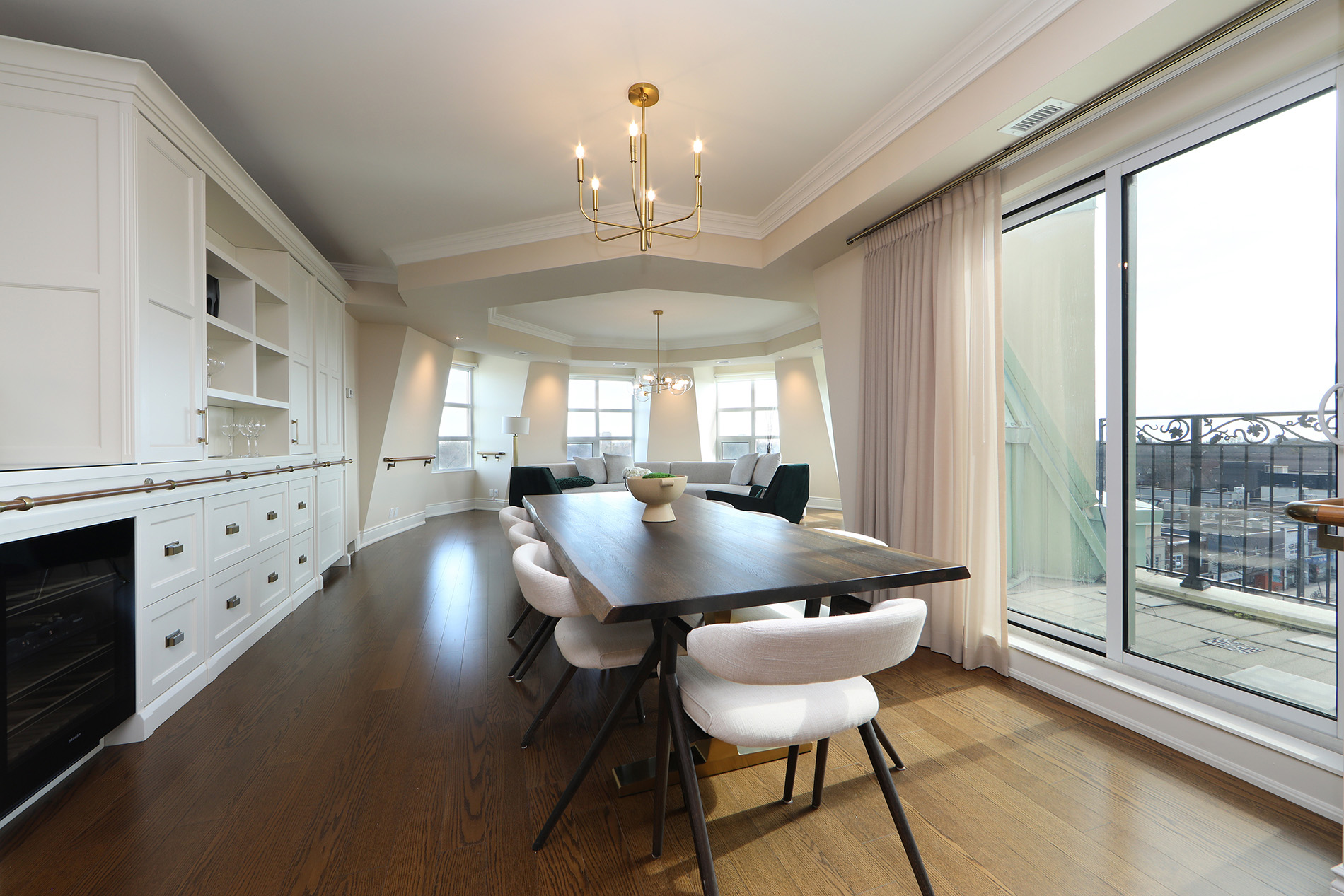
CABINETRY AND AGING-IN-PLACE DESIGN BY CELIA ALIDA RUTTE
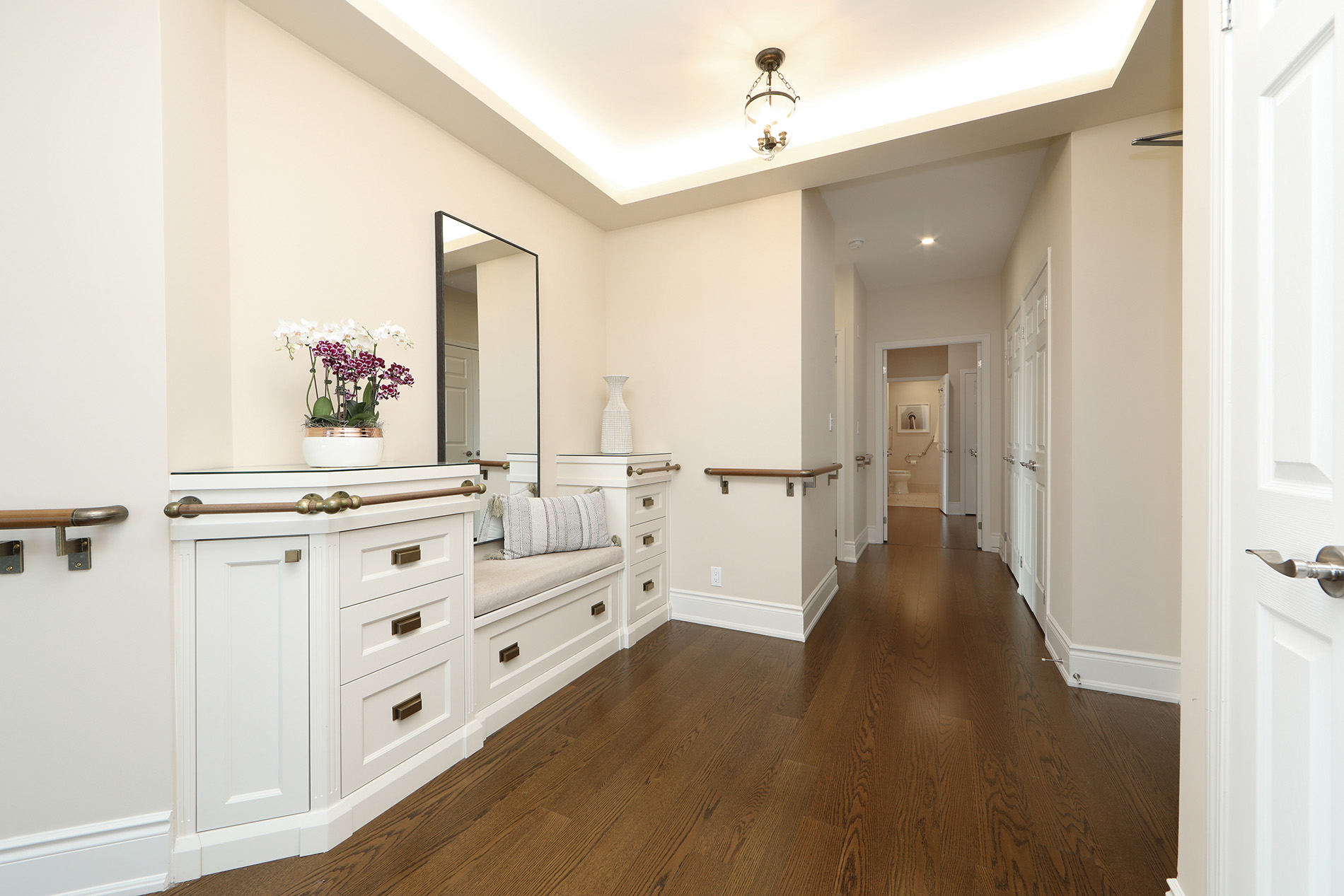
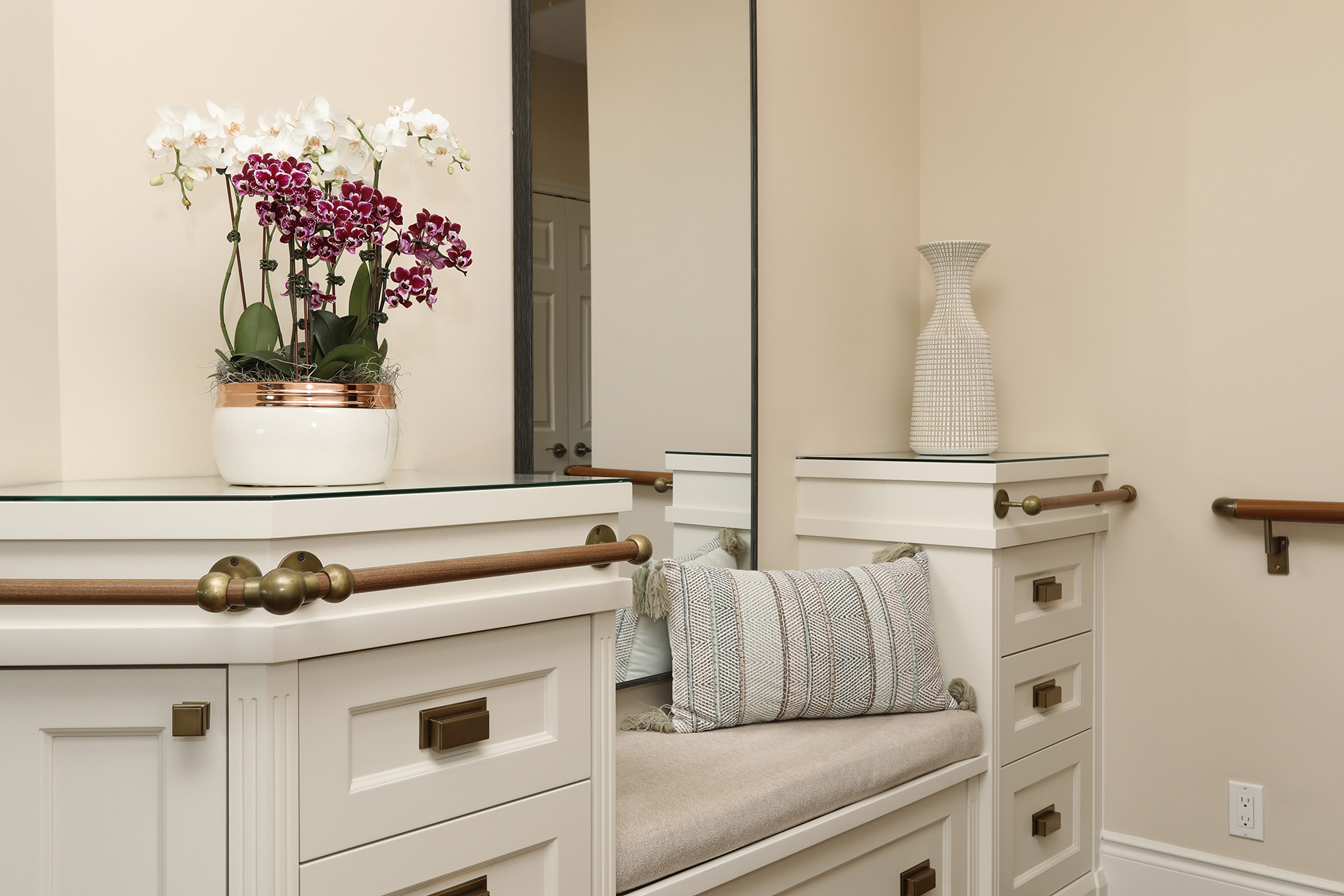
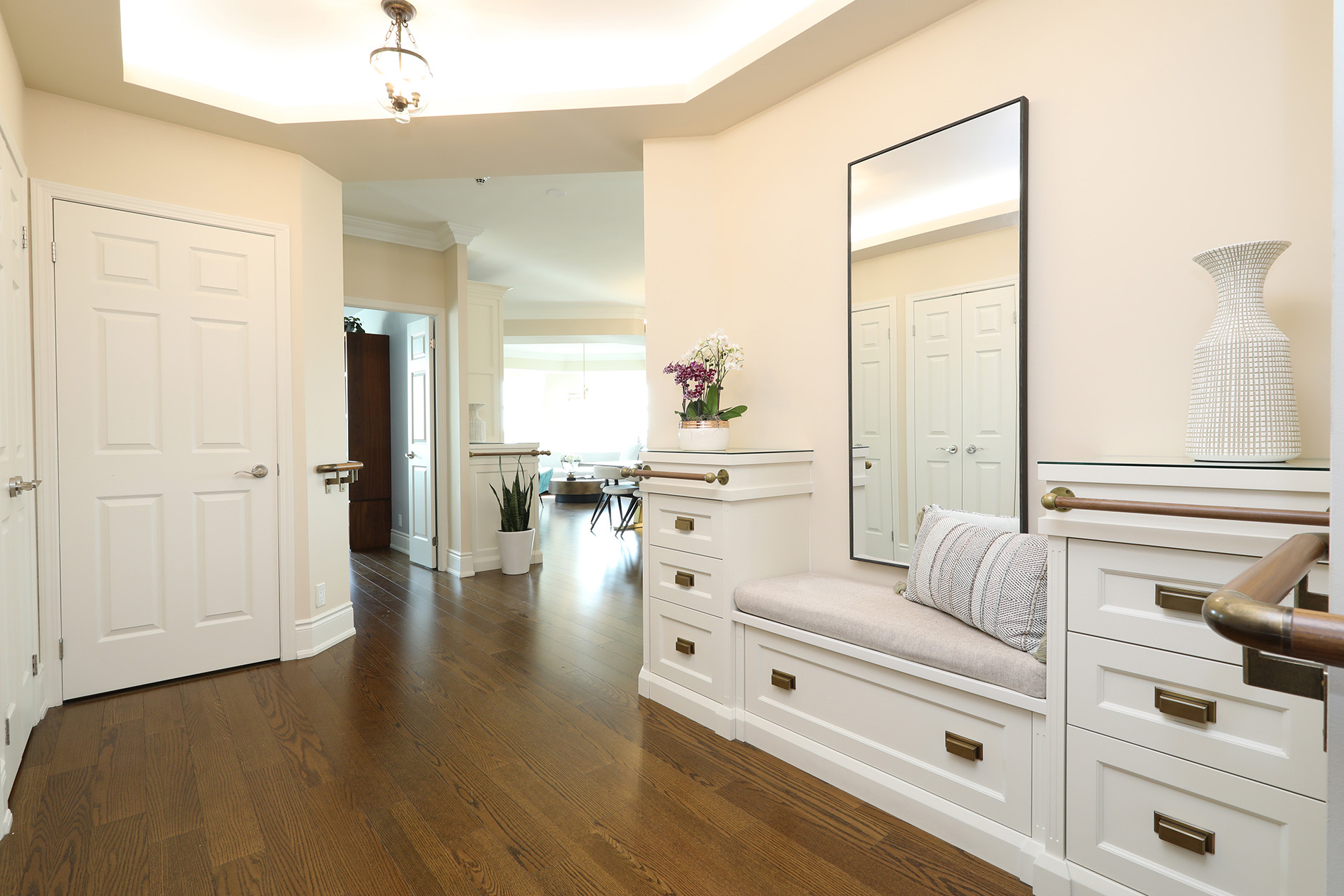
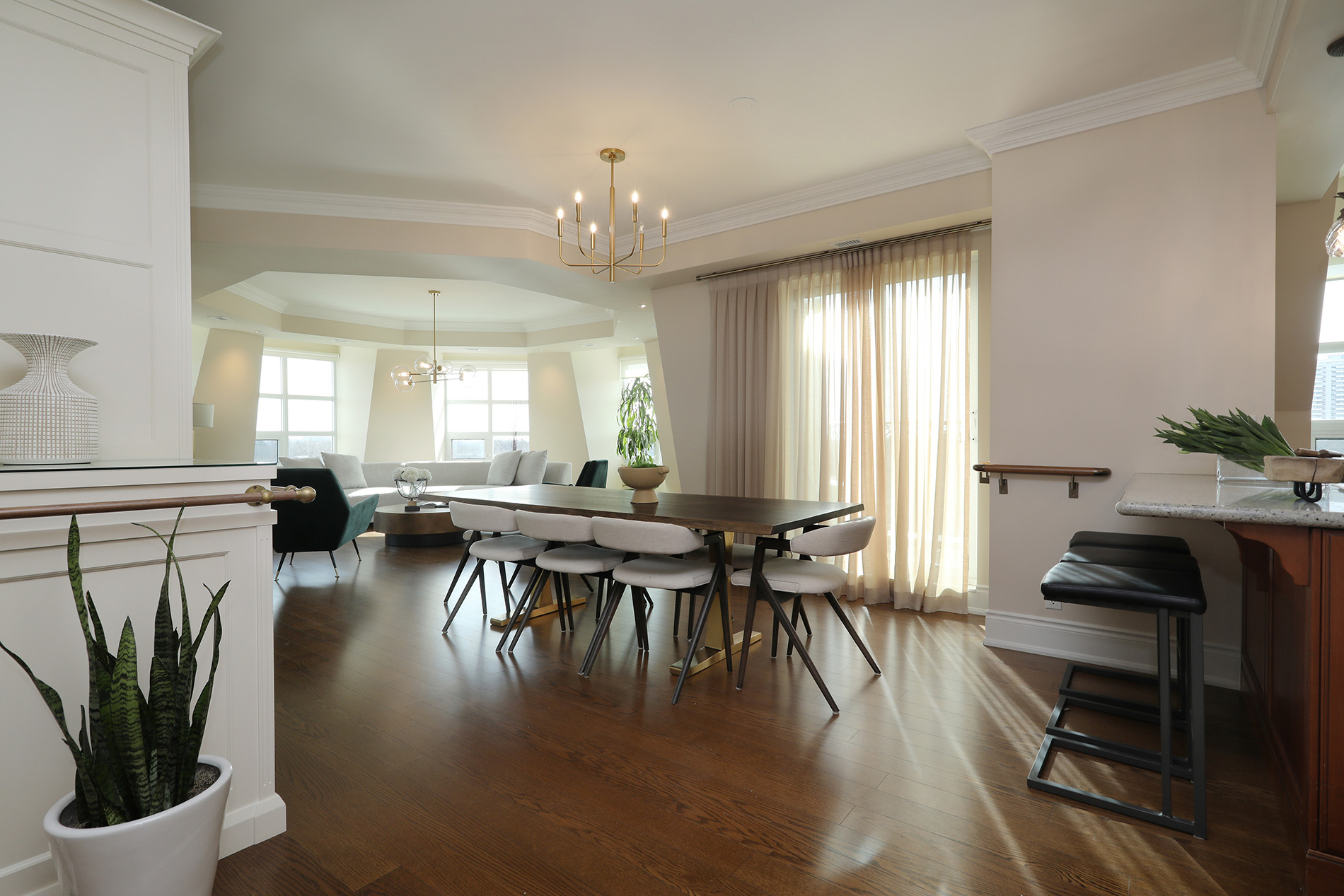
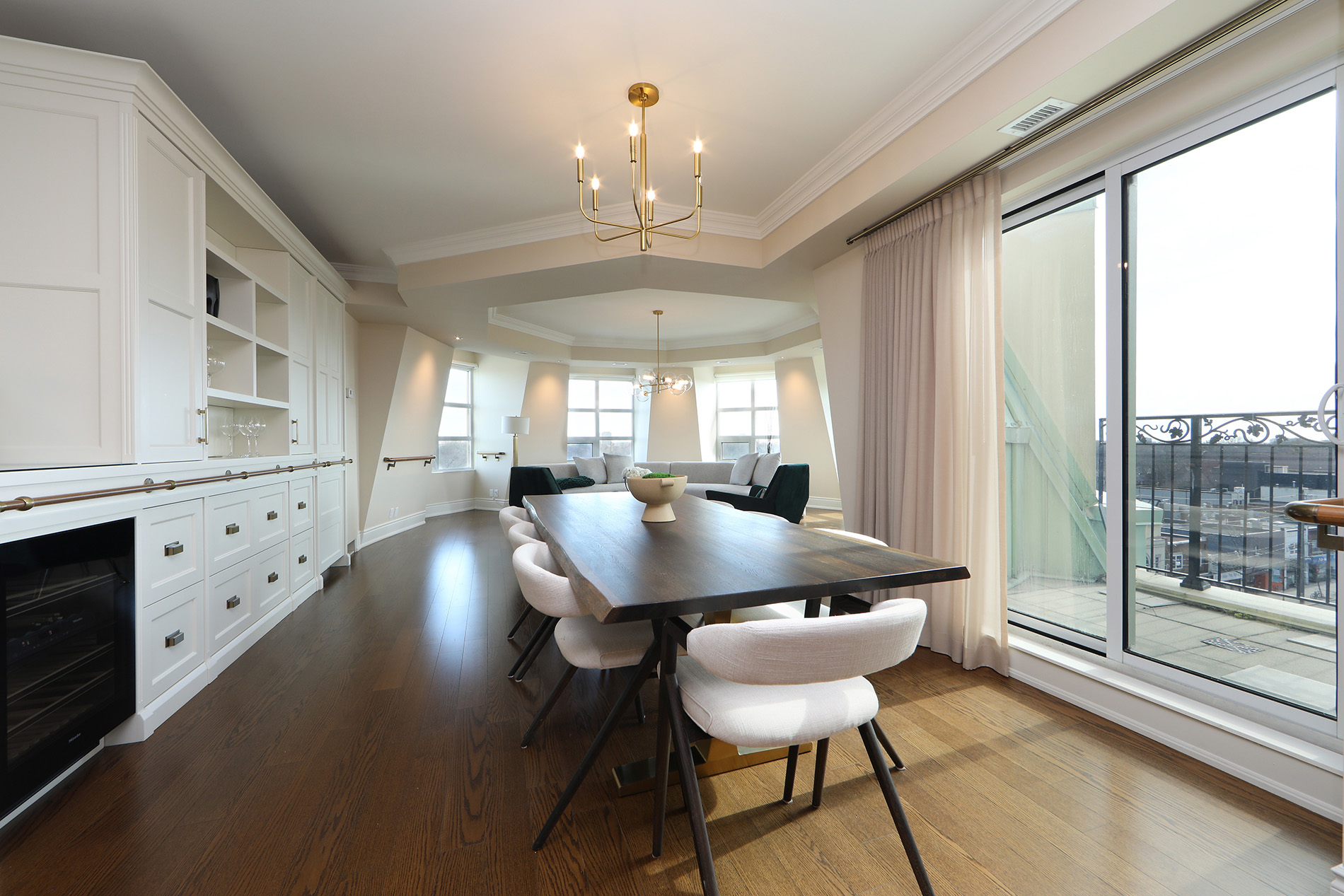
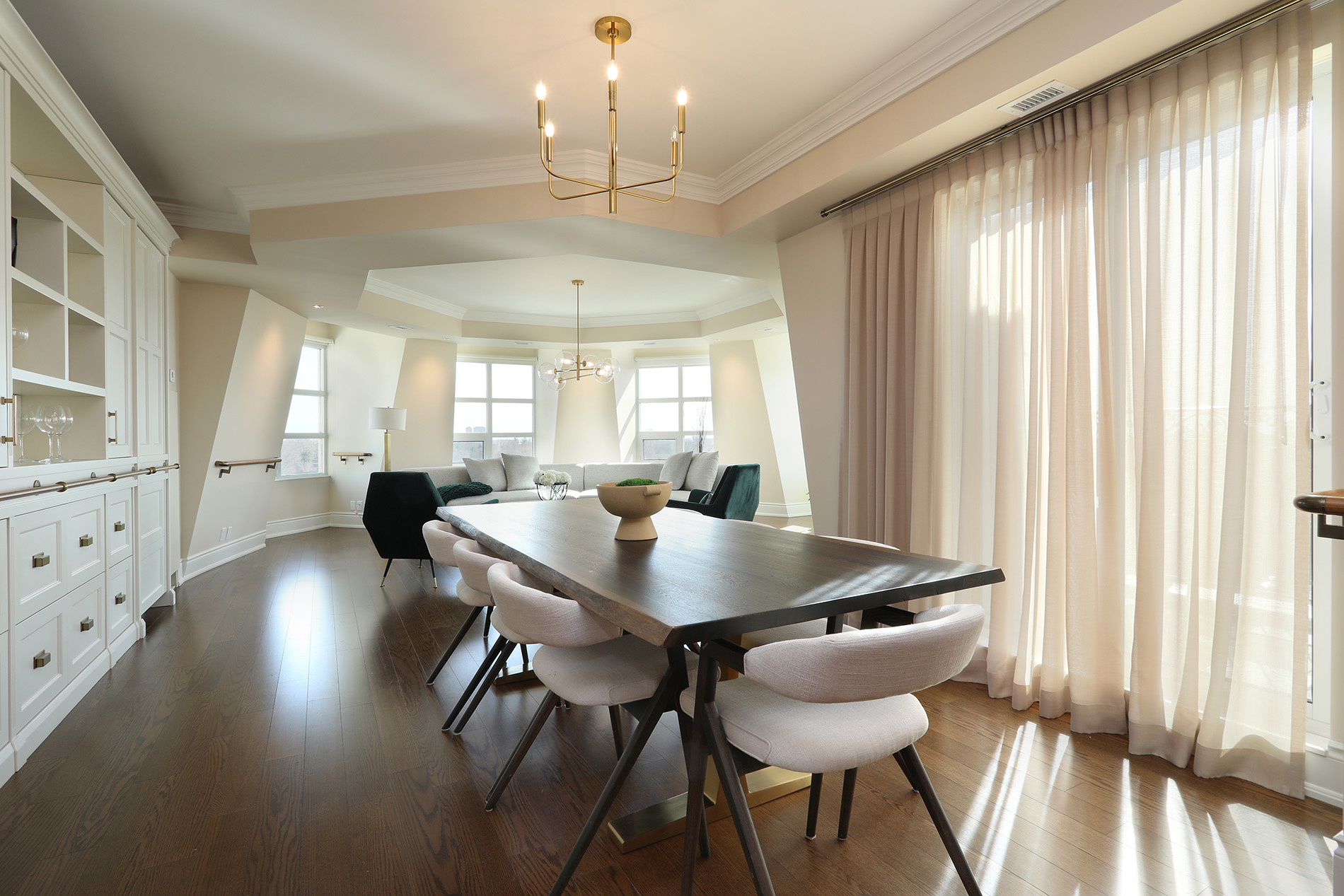
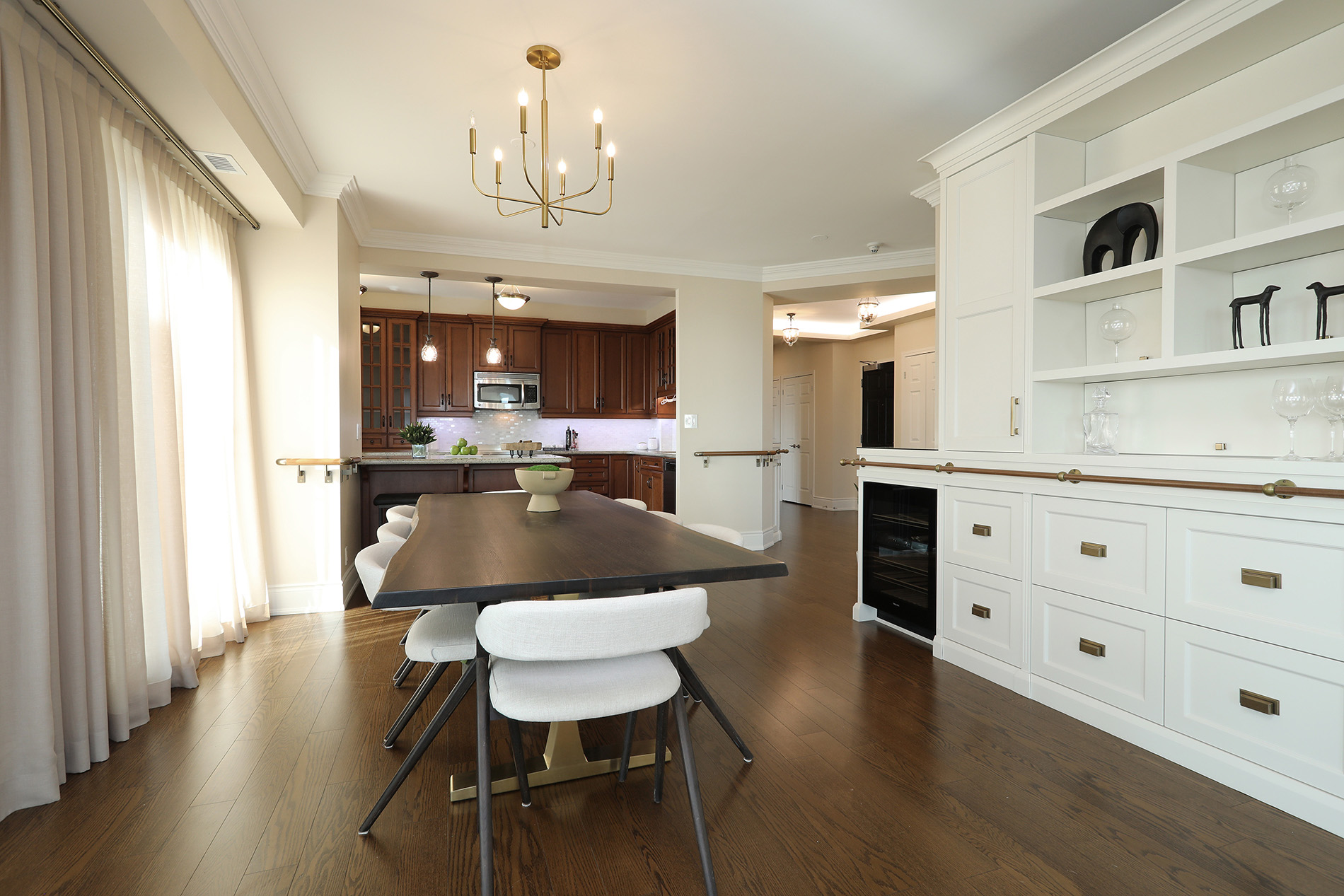
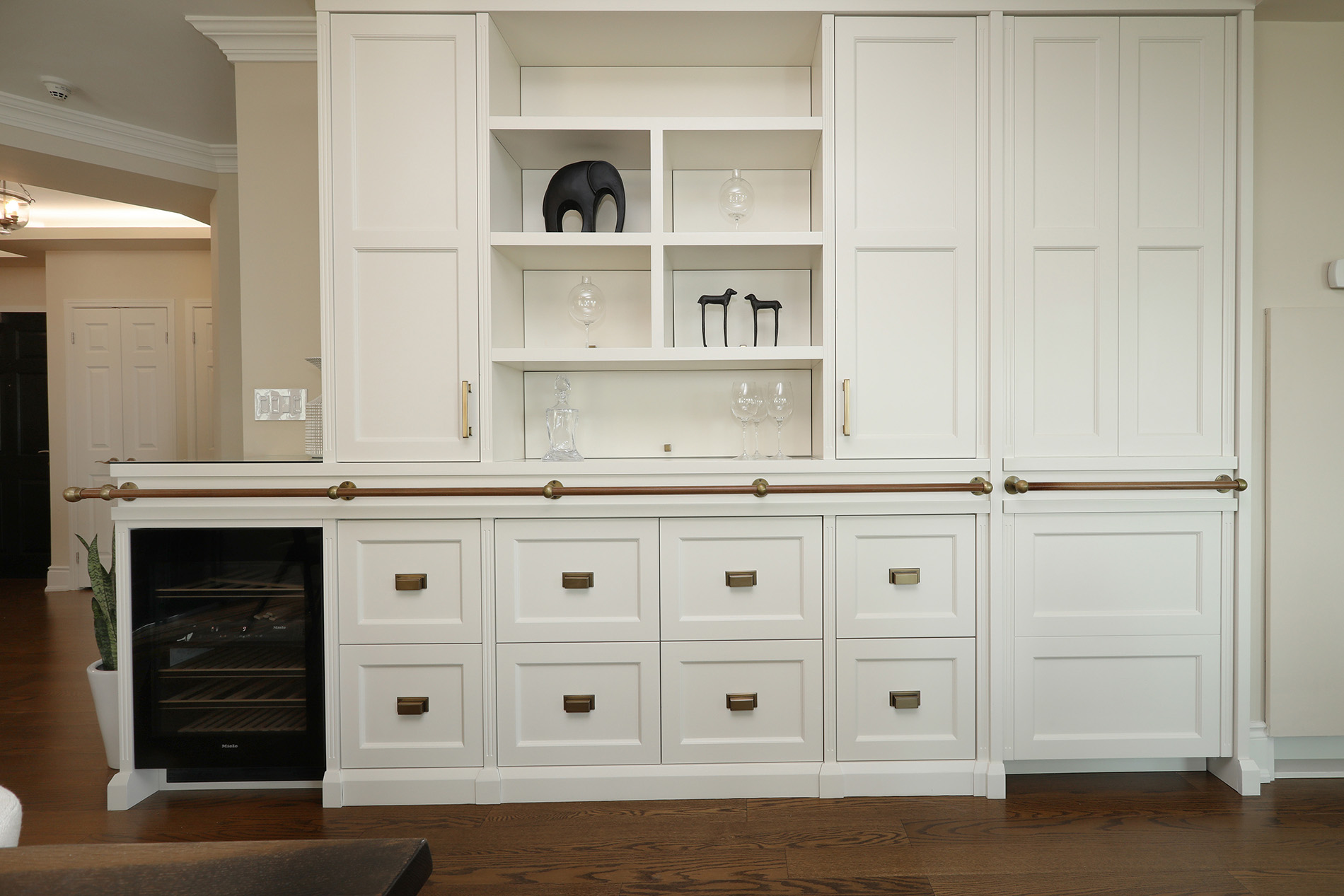
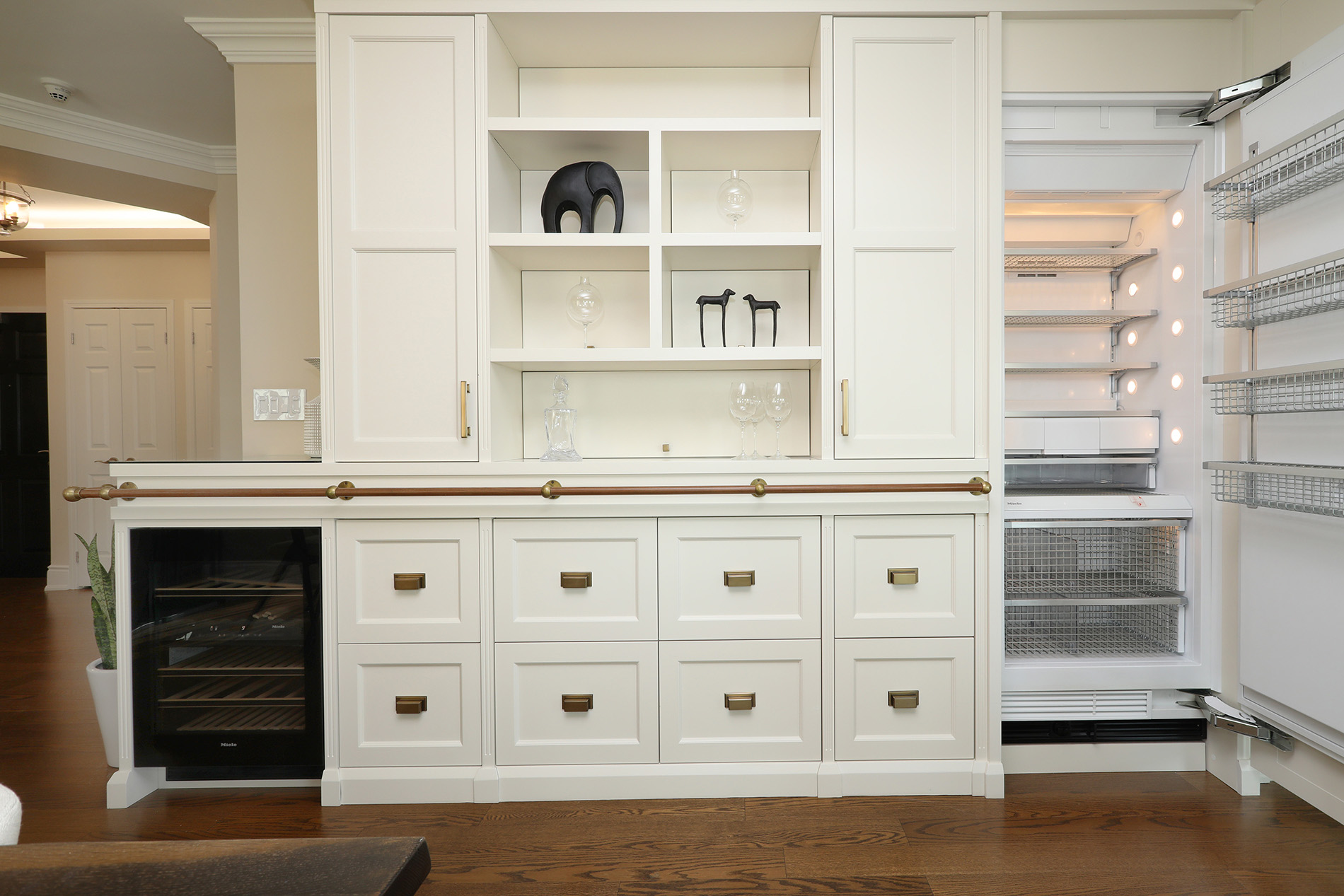
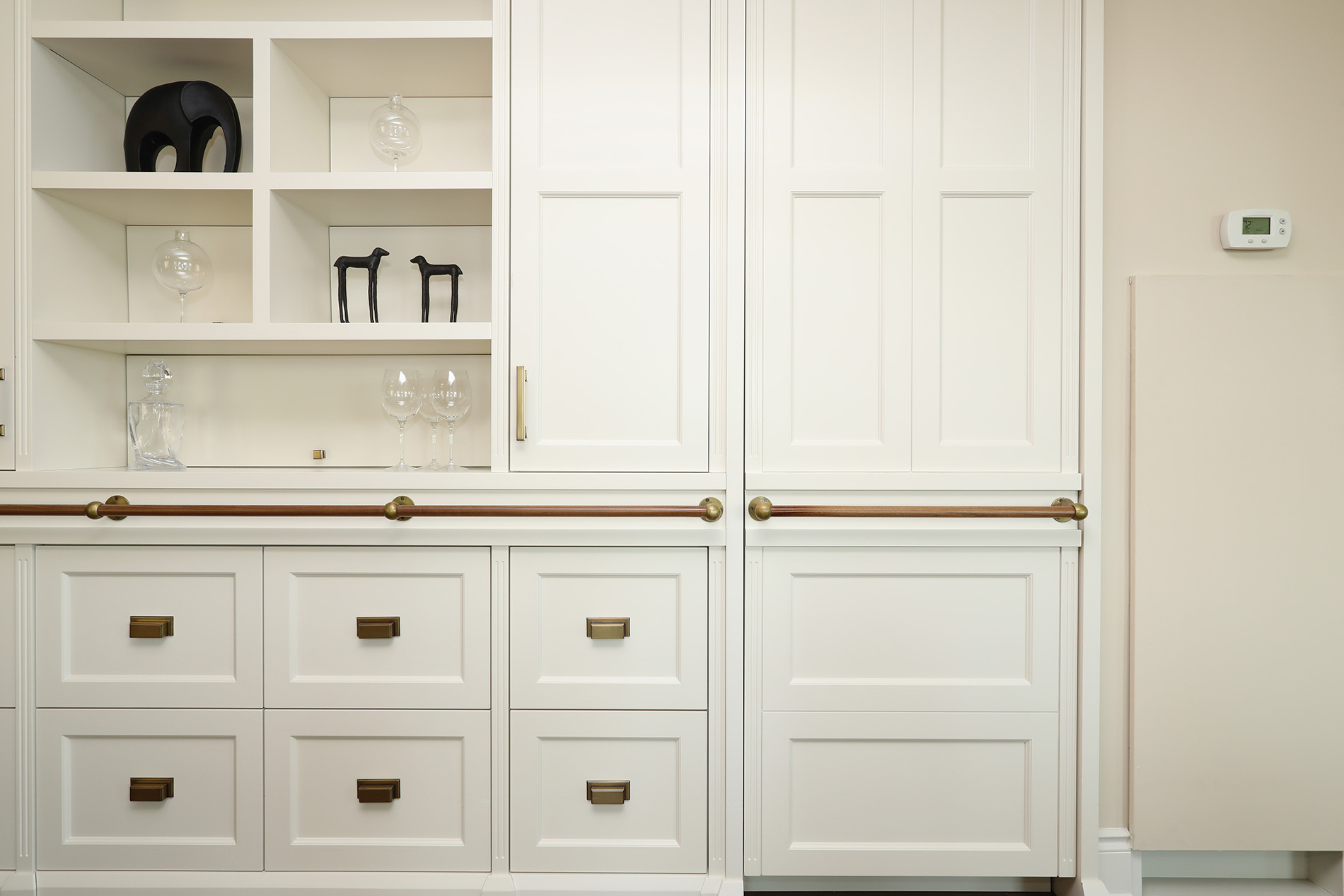
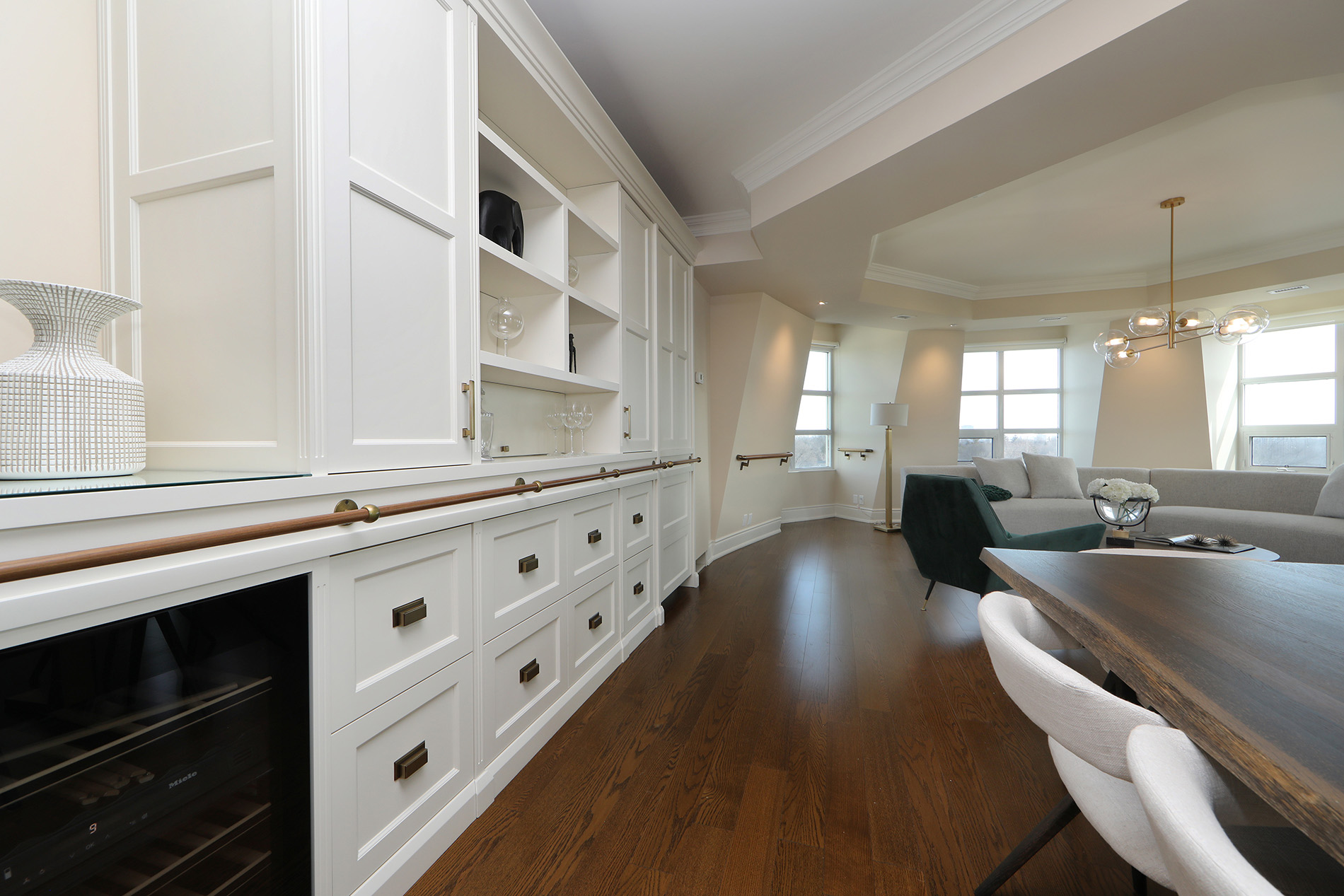
CABINETRY AND AGING-IN-PLACE DESIGN BY CELIA ALIDA RUTTE
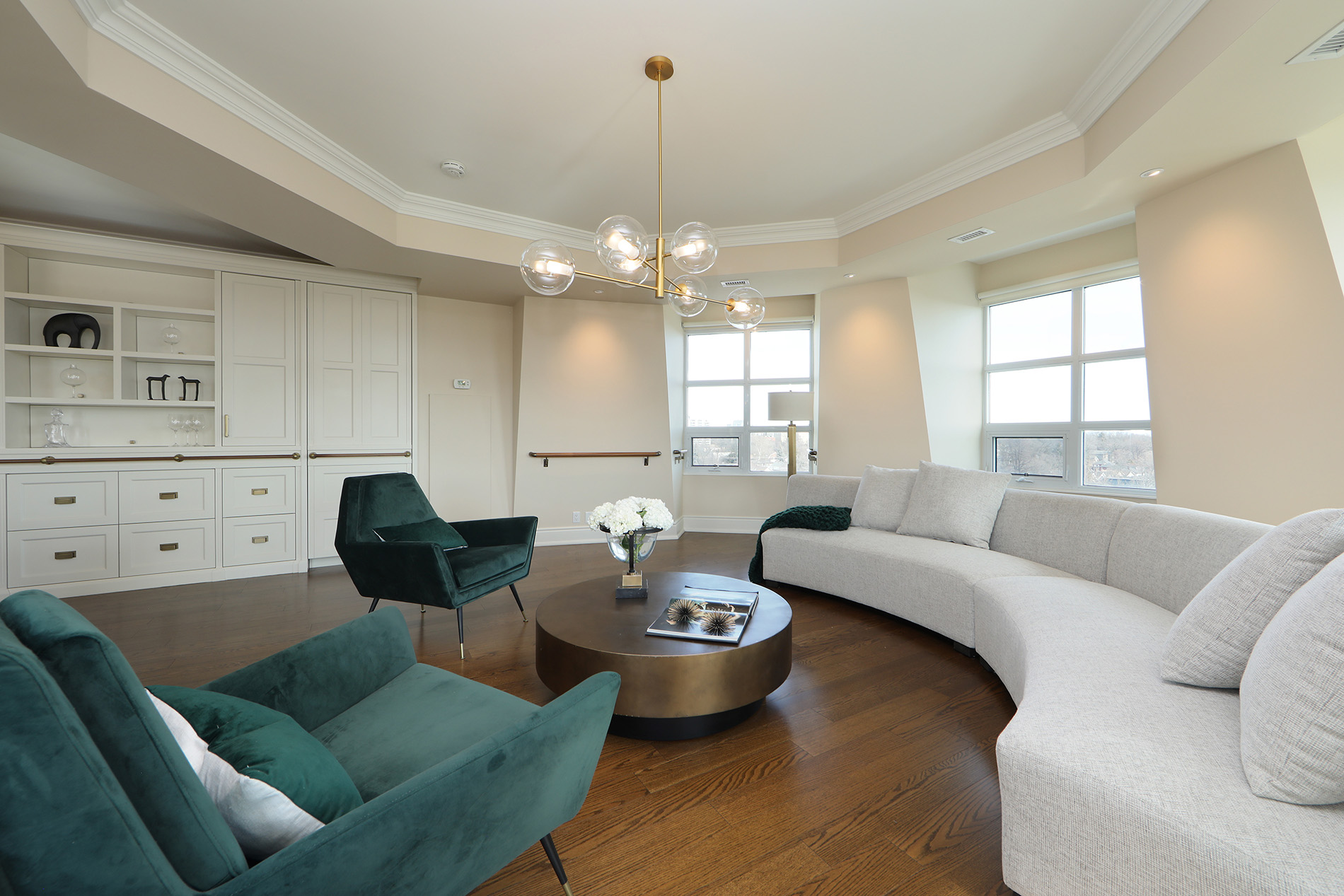
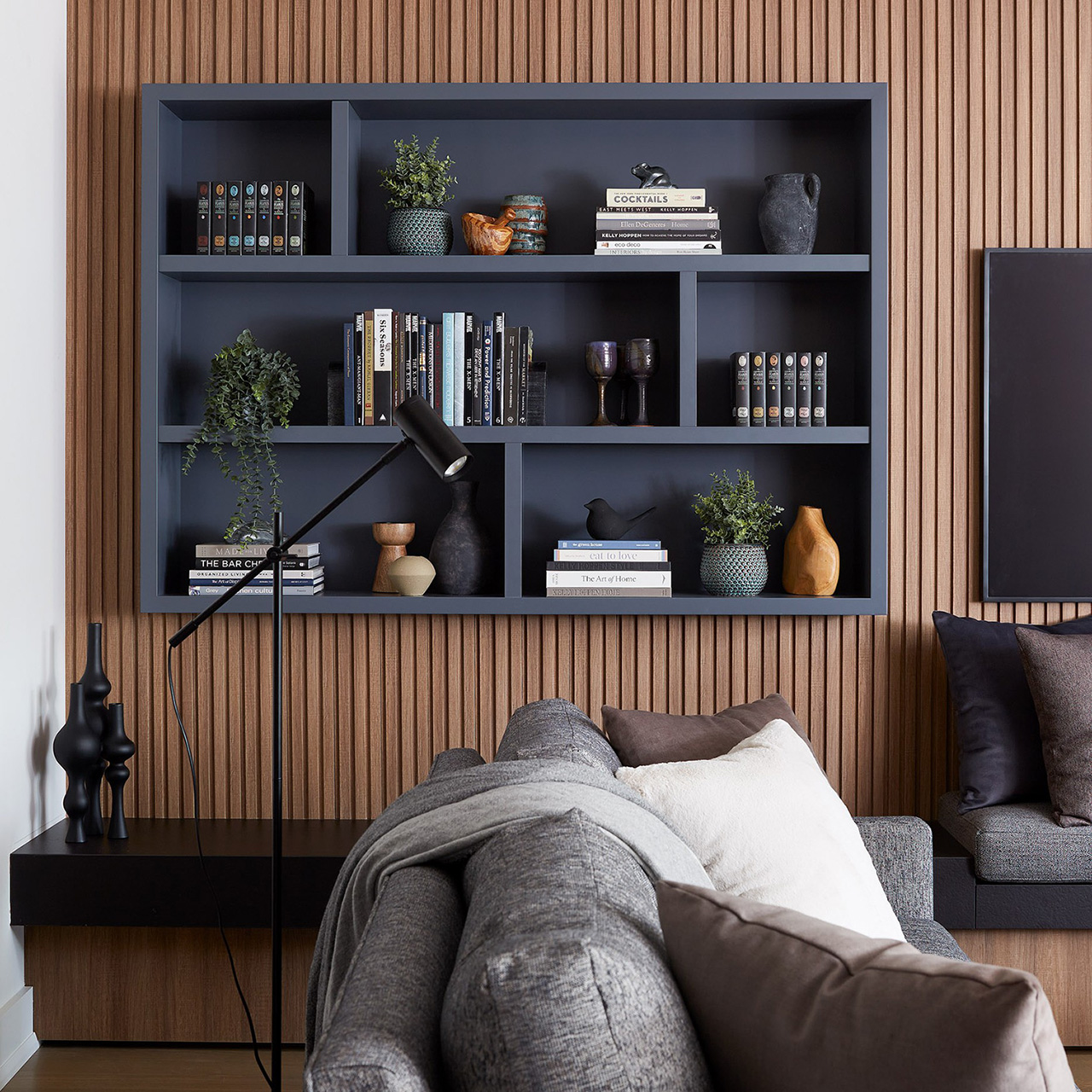
- The living room furniture was laid out in an open, simple and efficient plan so that movement was not restricted. It was a very real struggle for both me and the homeowner to not add an area rug. Unfortunately, rugs are a tripping hazard for people with mobility issues; and they can severely restrict the movement of a wheelchair.
- All the fabrics applied to the furniture were protected with a fabric guard for durability and cleanability.
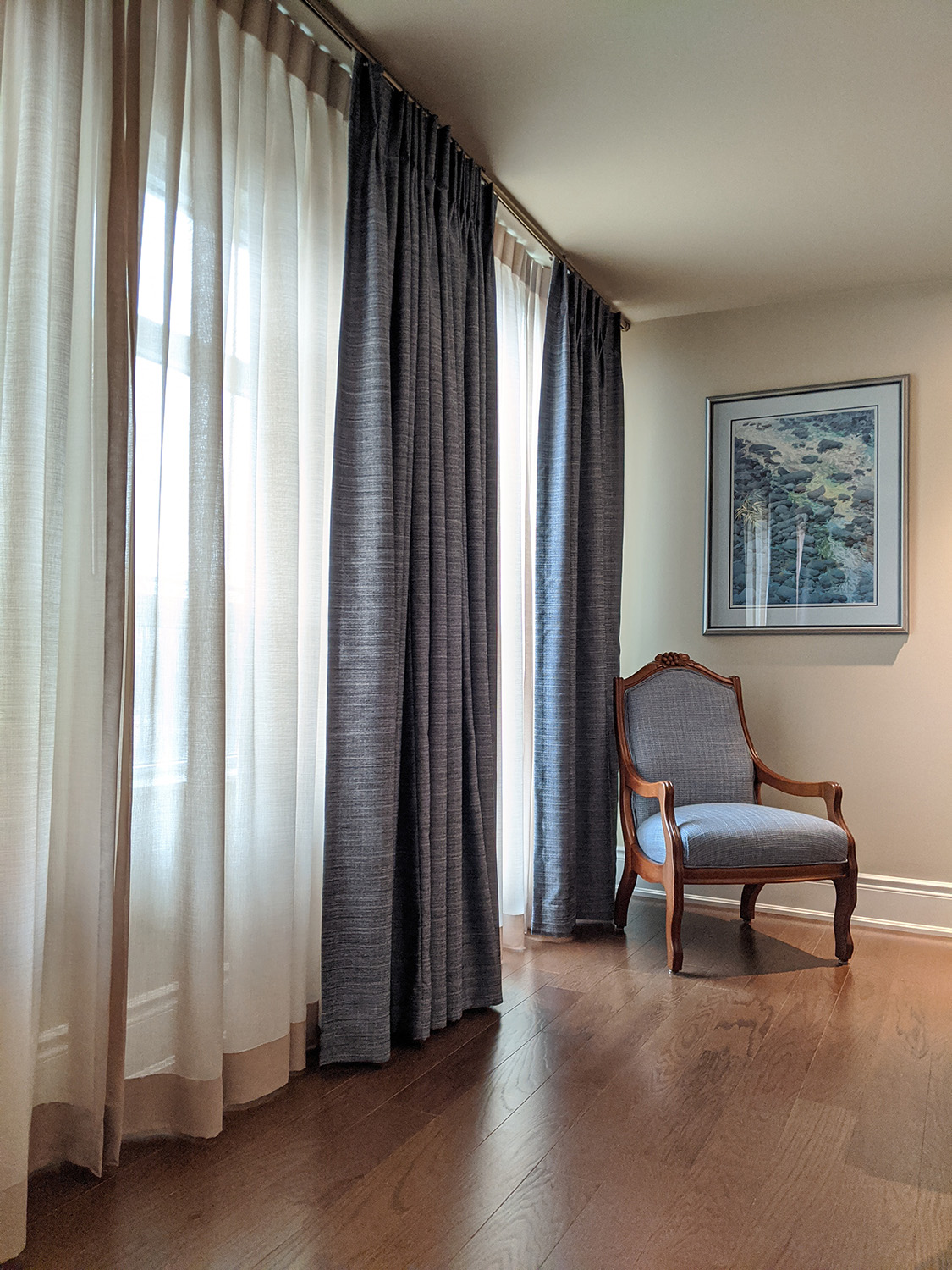
- Window coverings were chosen to block out excess light, as both homeowners were sensitive to bright light.
- Drapery panels were mounted to ceiling tracks for smooth and easy operation.
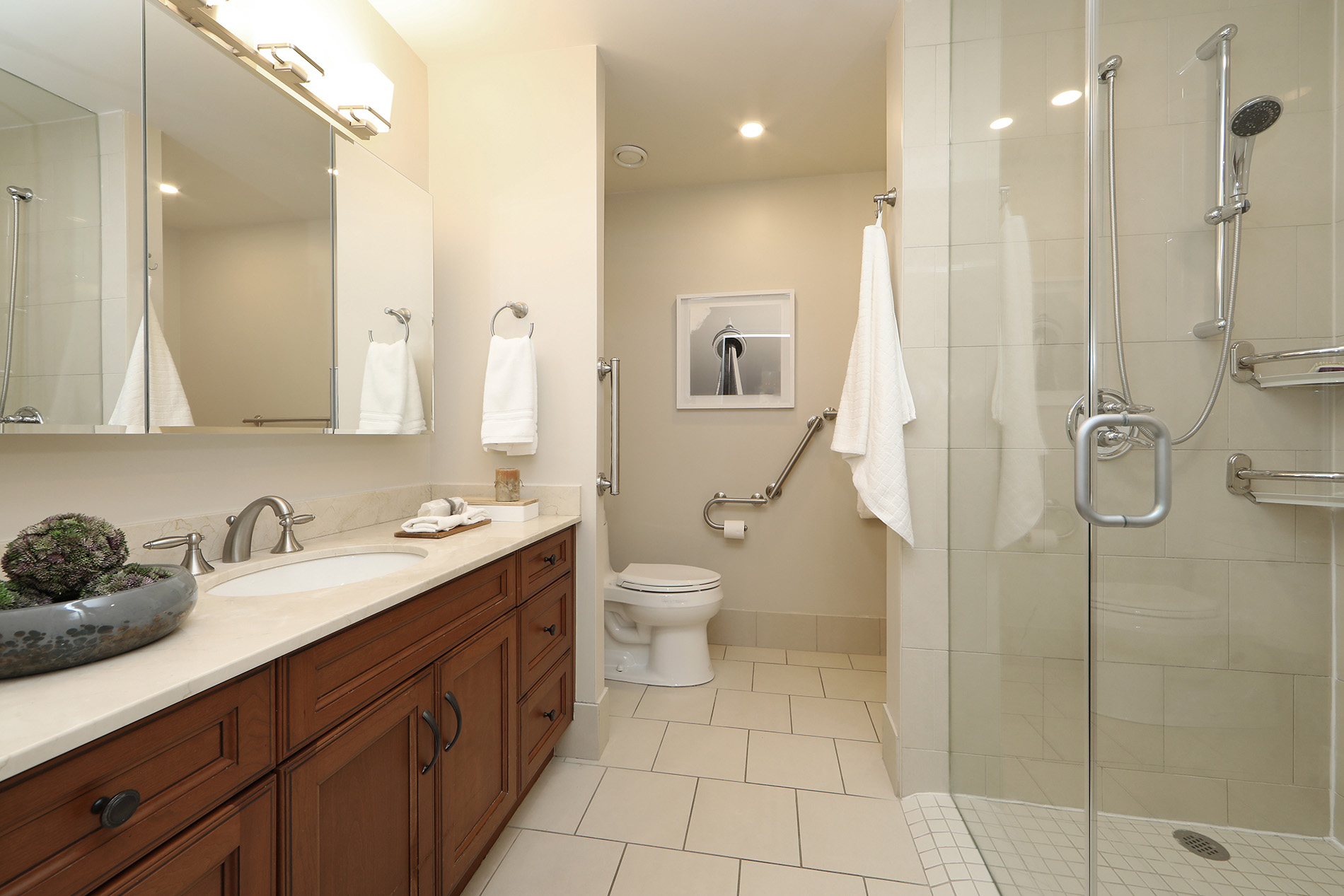
- Bathrooms were designed with grab bars, adequate lighting, and universal design toilet accessories.
- The swing of the principal bathroom door was modified so that it opened out of the room, and not into the room. If an individual falls into the door of the bathroom their body weight could prevent the door from being opened.
- At night, on the way to the bathroom, the disabled individual was prone to falling. To prevent injury, wall sconces were installed as bedside lighting instead of traditional table lamps on the nightstand.
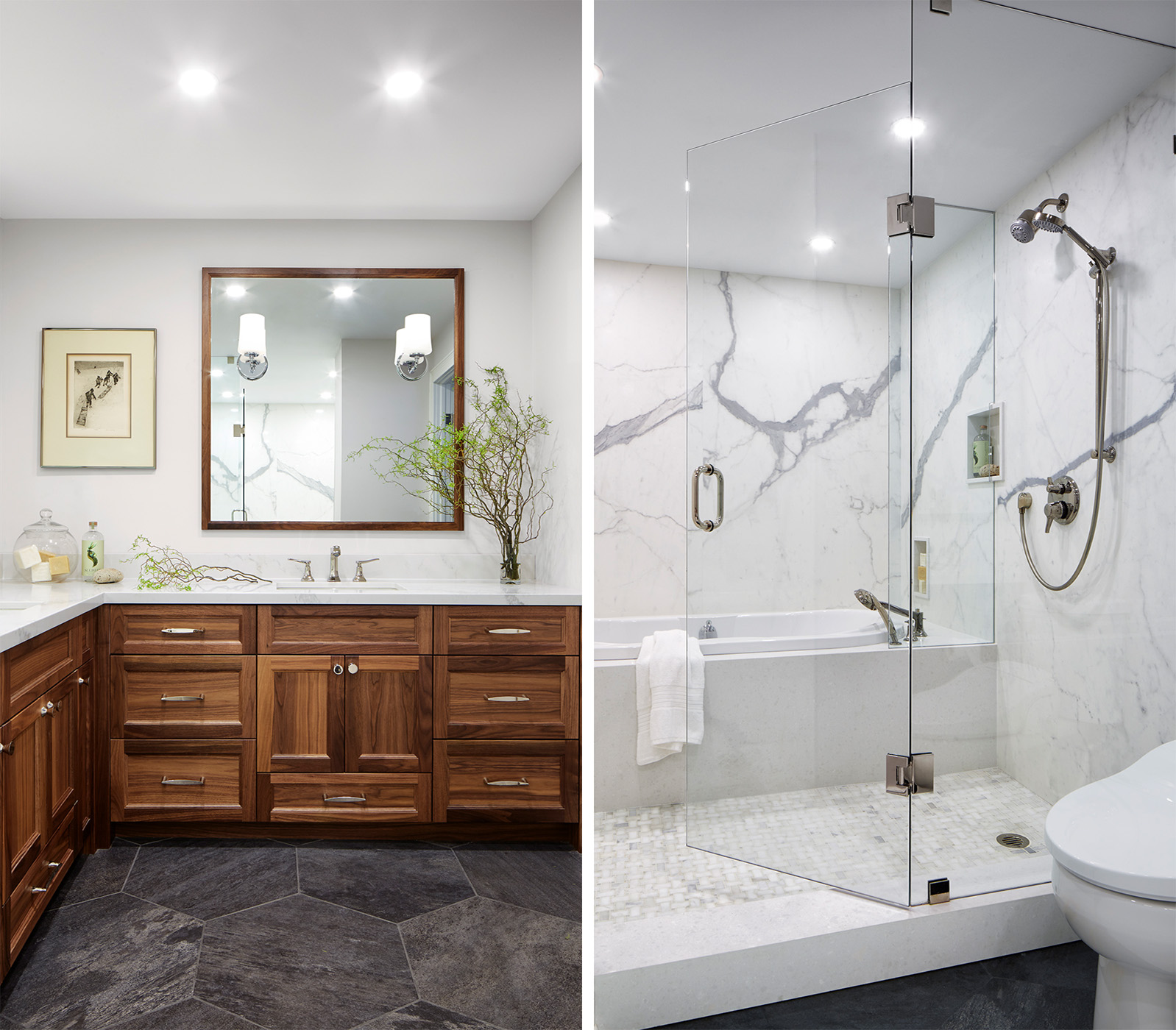
BATHROOM AND WET ZONE DESIGNED BY CELIA ALIDA RUTTE
Although the health challenges of this homeowner were unfortunate, it was a valuable learning experience, as it highlighted many of the key things that baby boomers will need to consider as they hit retirement and prepare for their “autumn” of life. Such was the case for two travelling love birds, who downsized from their Toronto home to a condo on the shores of Lake Ontario.
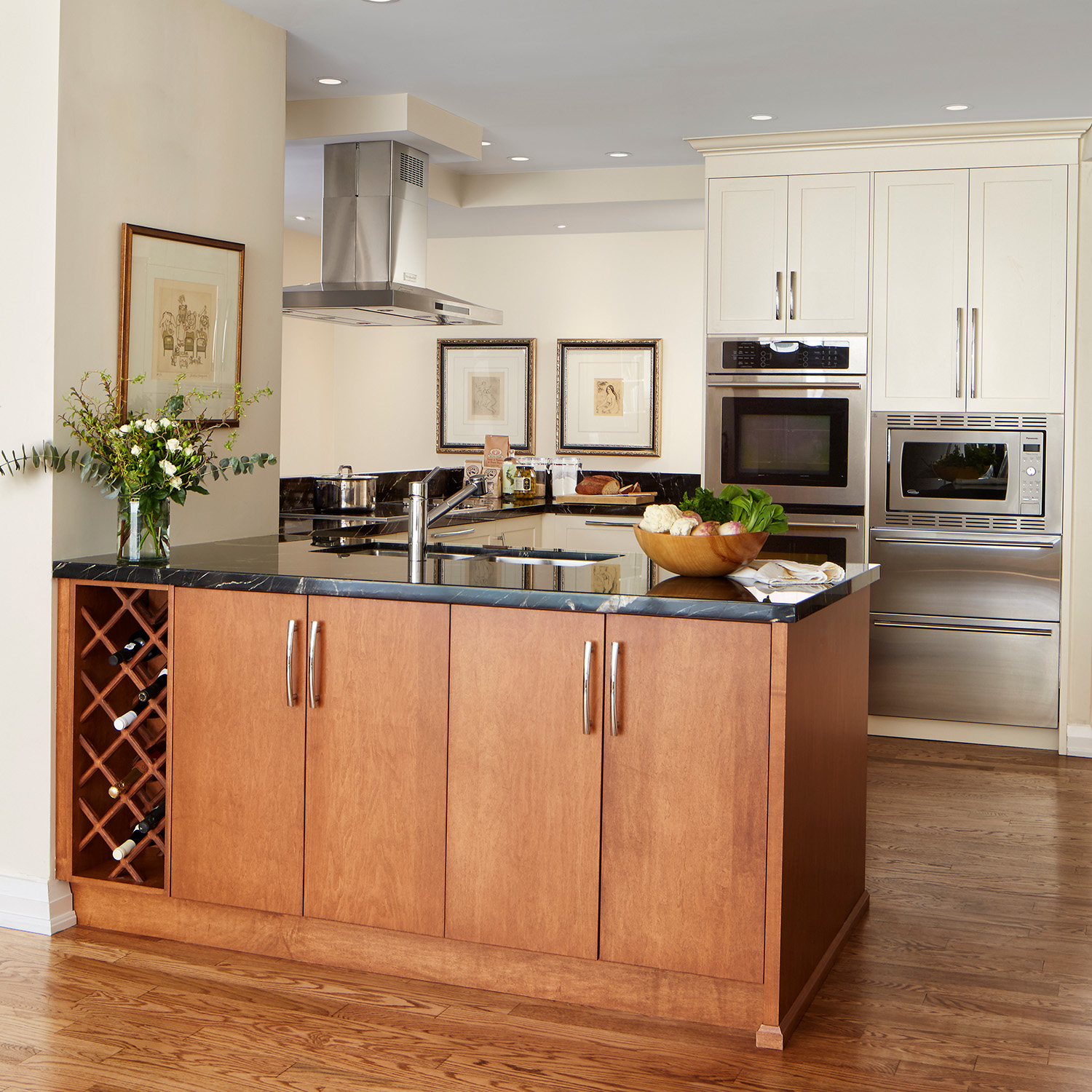
The mandate in this project was to prepare the space for aging-in-place. Both individuals were in good health at the time of the renovation and were wise enough to plan for changing circumstances. They purchased a spacious condo with double door entry, wide passageways, an open concept floor plan, and a stunning view. Celia worked with this couple and their contractor to gut and redesign the kitchen to the “chefs” detailed specs, so that the space would support their love of cooking and entertaining.
Existing manual window treatments were replaced with automated blinds, and lighting was upgraded and enhanced with dimmers throughout the condo to offer the option of a brightly lit environment.
The large, existing, poorly designed bathroom, was also gutted and divided up into two areas—a study and a luxurious principal bathroom. Walls were reinforced for future grab bars, the toilet was upgraded to a better size, and a spacious shower and bath wet zone was created to allow for assistance during bathing, should it ever be required.
With their main living quarters now concentrated on one floor, and a safe haven for them to return to in between their exciting round the world travels, this couple has created a nest which they may well enjoy to the end of their stay.


KITCHEN DESIGNED BY CELIA ALIDA RUTTE
January of 2019 marked the first aging-in-place design project Celia worked on. Consumer awareness and an aging population have seen demand increase exponentially. At the time of writing this post almost all my clients are requesting universal design or aging in place considerations in their home. Even younger homeowners are making their homes more visitable for aging family members. At NUITH | DESIGN FOR CONSCIOUS LIVING our focus is on all aspects of residential design including home downsizing and aging in place. We would love to put our expertise to work for you and design a new or existing home into an aesthetically enriching and barrier-free environment.
All the written content within the Nuith website comes directly from the consciousness of humans, and mostly from the consciousness of Celia Alida Rutte. No artificial intelligence has been employed to write these messages. The writer’s hard work and creative struggle were real. Credit to the author noted above is deserved and greatly appreciated.


0 Comments